Gardeners for small courtyards on Englands Lane
Posted on 12/11/2026
Gardeners for small courtyards on Englands Lane: a practical guide to making compact outdoor spaces feel calm, lush, and useful
If you live near Englands Lane, you probably already know the challenge: a courtyard can be wonderfully private, but it can also feel awkwardly small, shaded, or a bit hard to use. The right gardeners for small courtyards on Englands Lane can change that completely. With the right planting, layout, and upkeep, even a modest paved space can become somewhere you actually want to spend time in, not just walk through on the way to the bins. Truth be told, small courtyards often need more thought than large gardens. Every centimetre matters.
This guide explains how compact courtyard gardening works, what makes it worth doing, and how a good local gardener can help you avoid the usual mistakes. You will also find practical ideas for planting, seating, screening, drainage, maintenance, and budget-friendly improvements that make sense for London homes.
Why Gardeners for small courtyards on Englands Lane Matters
A small courtyard is not a "mini garden" in the casual sense. It is its own little environment. It tends to have more hard landscaping, less soil, tighter access, and more pressure from shade, reflected heat, rain splash, and neighbours' boundaries. That combination can be tricky. A plant that would look relaxed and full in a larger space can quickly become cramped, thirsty, or leggy here.
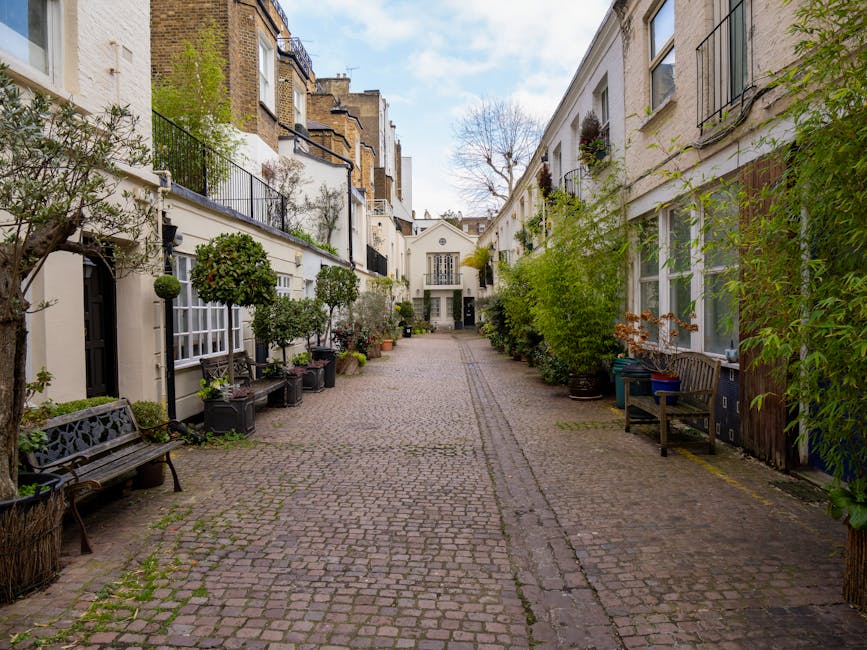
On Englands Lane and the surrounding streets, gardens often sit behind period homes, flats, mews-style layouts, or converted buildings. That usually means narrow access and a need for careful planning. Good gardeners understand how to work within those constraints without making the courtyard feel busy or overdesigned. They think about the whole picture: light, moisture, privacy, maintenance, and how the space will feel in the morning, at midday, and under artificial light in the evening.
It matters because a courtyard can easily become one of two things: either a forgotten patch of paving or a genuinely lovely outdoor room. The gap between those outcomes is often not money alone. It is judgement. A decent local gardener will spot the small details that matter, such as where water sits after rain, which corner dries out first, and where a container will look elegant instead of cluttered.
And yes, the emotional side matters too. If you open your back door and see a tidy, green, balanced space, your whole home feels calmer. Small, but real.
How Gardeners for small courtyards on Englands Lane Works
Court yard gardening is less about adding lots of plants and more about making each element earn its place. A professional approach usually starts with a site review. That means looking at light levels, access, existing paving, drainage, boundary walls, privacy needs, and the style of the property. In a courtyard, these factors shape everything from plant choice to pot size.
After that, the gardener normally creates a simple plan. Not a grand masterplan with too many ideas. A workable one. For example, a shaded courtyard may need layered evergreen structure, a handful of shade-tolerant perennials, and some vertical interest to stop the space feeling flat. A sunnier courtyard may suit Mediterranean-style planting, herbs, and compact seating. If the drainage is poor, the plan changes again. That is the real job: adapting to the space rather than forcing a fixed style onto it.
In our experience, the best courtyard work often happens in phases. First comes tidying, clearing, and dealing with any awkward problems. Then comes the structure: pots, edging, screening, or paving adjustments. Finally, the planting brings the whole thing together. If you try to do everything at once, it can become expensive and a bit muddled. Small spaces punish muddle. They really do.
If the courtyard is severely neglected, a gardener may begin with a reset. That could involve weed removal, moss treatment, pruning back overgrown shrubs, refreshing soil, and replacing tired containers. For inspiration on that stage, you may find a neglected-garden revival approach useful, especially if the space has been left untouched for a while.
Key Benefits and Practical Advantages
A well-designed small courtyard offers more than visual appeal. It can become a usable extension of the home, even if it is only a few square metres. The main advantage is control. Because the space is compact, each decision can be precise. That makes it easier to improve comfort, reduce maintenance, and create a polished finish without overcomplicating things.
- Better use of limited space: Every surface, pot, and plant can be placed for a purpose.
- More privacy: Screening, climbers, and clever boundary planting can soften overlooking windows.
- Lower maintenance: With the right plant selection, you can reduce constant watering, trimming, and replanting.
- Improved atmosphere: Courtyards can feel cooler, greener, and calmer with the right balance of planting and paving.
- More year-round structure: Evergreens, upright forms, and good containers stop the space looking bare in winter.
- Practical durability: Local gardeners can choose materials and methods suited to wet, shaded, or windy London conditions.
There is also a small but valuable financial advantage. A compact courtyard is often more cost-efficient to transform than a full garden. You do not need a huge plant palette to make a strong impact. In fact, fewer, better-chosen plants usually look more sophisticated. To be fair, that is often where small-space projects outshine larger ones.
If you want an approach that stays manageable over time, it helps to read how to create a low-maintenance garden on a budget. The same principles translate well to courtyard spaces: keep the structure simple, choose resilient planting, and avoid design decisions that need constant fixing.
Who This Is For and When It Makes Sense
Not every homeowner needs a full redesign. Sometimes a courtyard only needs targeted improvements. This kind of gardening service makes sense if your space feels cramped, dull, difficult to maintain, or simply underused. It is especially relevant if you have paving, steps, boundary walls, raised beds, or containers that never quite seem to thrive.
It also suits people who want the space to do more than one job. Maybe you want somewhere to sit with coffee on a mild morning. Maybe you want greenery for privacy. Maybe you want somewhere pets can move around safely without turning the whole area into mud. Or maybe you just want the courtyard to stop looking like a forgotten side passage. Fair enough.
This approach is often a good fit for:
- busy professionals who need low-maintenance planting
- flat owners or tenants with limited outdoor space
- families who want safer, tidier surfaces and clear layout
- garden lovers who want a design-led courtyard, not just a functional one
- people dealing with shade, poor soil, or awkward access
- homeowners preparing a property for sale or rental appeal
It can also make sense after a long winter or a period of neglect, when pots have cracked, weeds have settled in, and the space has lost its shape. A small courtyard can feel overwhelming when it has gone soft around the edges. The trick is not to panic and rip everything out. Start with the bones.
Step-by-Step Guidance
Here is a practical way to approach a courtyard improvement project without getting lost halfway through.
- Assess the light and moisture. Spend time watching how sunlight moves through the space. Note where the rain lands, where water sits, and which areas stay dry.
- Clear the clutter first. Remove dead plants, broken pots, old furniture, and anything that blocks the flow of the space.
- Decide on the main function. Do you want seating, privacy, planting, or all three? In a courtyard, one clear purpose usually works best.
- Choose the right structure. Add containers, edging, trellis, screening, or a seating zone before you start mass planting.
- Pick plants for the conditions. Shade-loving, drought-tolerant, evergreen, or vertical plants may suit the site better than fussy seasonal varieties.
- Build in access for maintenance. Leave enough room to water, prune, and sweep without awkward stretching or moving everything every week.
- Finish with detail. Mulch, topsoil refresh, lighting, and clean surfaces lift the whole effect.
A common mistake is to begin with plants because plants feel exciting. But in small courtyards, the shape and movement of the space come first. Once the structure is right, the planting will feel more intentional. If your courtyard has patio surfaces that are dull or slippery, it may be worth looking at patio cleaning support before adding new furniture or containers. A cleaner base makes everything else look better. Simple, but true.
For planting ideas that soften hard surfaces, ground cover planting ideas can help you think beyond upright plants and into the texture of the lower layer. That lower layer is often what makes a small courtyard feel finished.
Expert Tips for Better Results
Good courtyard gardening is full of small choices that add up. Here are the ones that make the biggest difference.
1. Use height carefully. Vertical elements are valuable in a courtyard, but too many can make the space feel boxed in. One elegant climber, one screened corner, or a slim trellis is often enough.
2. Repeat materials and colours. Repetition creates calm. If every pot is different, the space can look busy. If you reuse one or two materials, the eye settles.
3. Prefer layered planting. Think in tiers: low ground cover, mid-height perennials, and one or two taller statements. That gives depth without crowding.
4. Choose evergreen structure first. In a small courtyard, winter matters. Plants with year-round form keep the garden from collapsing visually in the colder months.
5. Make watering easy. If you hide every pot in a corner, you will stop watering properly after a few weeks. We all do it. Place containers where they are easy to reach.
6. Don't overfill the space. Empty space is not wasted space. It gives the courtyard room to breathe, and it makes the planting look more deliberate.
There is a lovely balance in compact gardens between neatness and softness. If the space feels too rigid, climbing greenery can help. For shaded walls, climbing evergreens for shade are a smart way to add texture without needing a lot of ground area. And if a wall or fence has become too dominant, there are sensible ways to manage that too; sometimes removing persistent ivy properly is part of the job.
One more thing: a small courtyard benefits from restraint. Not emptiness, restraint. There's a difference.
Common Mistakes to Avoid
Small courtyards are forgiving in some ways, but they also expose every bad decision. The biggest mistakes are usually quite ordinary.
- Using too many plant species: A jumble of different textures and colours can make the space feel restless.
- Choosing plants without checking light conditions: Shade plants struggle in hot corners, and sun-lovers sulk in dim ones.
- Forgetting drainage: Courtyards often sit on hard surfaces, so water management matters more than people expect.
- Overcrowding furniture: A chair that looks charming in a showroom may be awkward in a narrow courtyard.
- Ignoring maintenance access: If you cannot reach the back of a container, weeds and pests will eventually take the hint.
- Skipping soil improvement: Even in containers, tired compost gives poor results. Replenishing it makes a visible difference.
- Trying to make it look like a large garden: This one happens a lot. A courtyard is better when it leans into being a courtyard.
We have all seen the "more is more" approach go sideways. Too many pots. Too many colours. Too many little ideas fighting each other. The cure is usually subtraction, not addition.
For weed pressure, a tidy boundary, and long-term upkeep, the right routine matters. If weeds are already making themselves at home, practical weed-control tips can save a lot of frustration later on.
Tools, Resources and Recommendations
Courtyard gardening does not need a shed full of equipment, but a few good tools make life easier. The best choices are the ones that help you work neatly in confined spaces.
- Compact hand tools: A hand trowel, secateurs, and a narrow rake are often enough for most jobs.
- Watering can or slim hose setup: Courtyards are awkward to water evenly, so a controllable method helps.
- Quality compost and mulch: These support moisture retention and healthy planting.
- Lightweight containers: Heavy pots can be hard to reposition in tight spaces.
- Treillage or supports: Useful for climbers, screens, and vertical interest.
- Brushing and cleaning gear: A stiff brush keeps paving and edges looking cared for.
It also helps to work with a gardener who knows the local rhythm of maintenance. In a dense residential area, access, waste removal, and timings matter. A professional who handles regular garden maintenance in Belsize Park will usually understand how to keep things neat without turning the job into a disruption.
If your courtyard is more hard-landscape than soil, then container design becomes central. This is where container gardening techniques are especially useful. They let you build a flexible garden one piece at a time. That can be very clever in a small space.
For a more natural-feeling outdoor room, seating matters too. A single bench or fold-away bistro set can change how the courtyard is used. There are some thoughtful ideas in garden seating design ideas, especially if you want comfort without clutter.
Law, Compliance, Standards, or Best Practice
For most courtyard projects, the main concern is not red tape. It is good practice and neighbour awareness. Still, there are a few sensible things to keep in mind.
If work involves boundary walls, trees, major pruning, or shared access, it is wise to check responsibilities carefully before anything is cut, removed, or altered. In London, neighbouring properties can be close enough that even small changes affect privacy, light, and drainage. A conscientious gardener will avoid assumptions and ask the right questions first.
Health and safety matters too, especially when ladders, cutting tools, pressure washing, or slippery paving are involved. Reputable contractors should have proper procedures in place and should work with safe access, tidy storage of tools, and careful disposal of waste. If you are comparing providers, it helps to look at their health and safety approach and their broader insurance and safety information. That is not fussiness. It is common sense.
There are also practical standards around privacy, planting boundaries, and maintenance expectations. For example, vigorous climbers and hedges need regular control so they do not spill into neighbouring spaces. If hedge shaping is part of the plan, a specialist such as hedge trimming support in Belsize Park can help keep growth neat and balanced.
On the service side, it is sensible to understand pricing, quotes, and terms before work starts. Clear communication avoids awkward surprises, which is always nice. For that reason, pages about pricing and quotes, payment and security, and terms and conditions are worth reviewing when you are making a decision.
Options, Methods, or Comparison Table
There is no single right way to improve a courtyard. The best method depends on what is already there, how much maintenance you want, and what the space needs to feel like. Here is a simple comparison.
| Approach | Best for | Strengths | Limitations |
|---|---|---|---|
| Container-led design | Very paved, flexible spaces | Easy to adjust, good for rented homes, strong visual impact | Needs watering and feeding more often |
| Soft planting with ground cover | Spaces needing more green feel | Soften hard edges, reduce bare patches, improve texture | Needs careful plant choice for shade and wear |
| Screening and vertical planting | Overlooked courtyards | Improves privacy and height without using floor area | Can look heavy if overdone |
| Low-maintenance structural layout | Busy households | Simple to care for, tidy year-round, easier budgeting | May feel less lush if planting is too sparse |
| Full refresh with resurfacing and planting | Damaged or tired courtyards | Most dramatic transformation, fixes underlying issues | More planning and higher upfront effort |
If you want a greener look without a lot of open soil, combining containers with a few resilient planting layers works well. For a more sustainable angle, sustainable herb gardening ideas can be adapted into small courtyards with pots near the kitchen door or beside a sunny wall.
And if your preference leans toward quiet, minimal outdoor rooms, a Zen-inspired layout can be a good reference point. The principle is not about emptiness for its own sake; it is about calm, proportion, and a clear visual rhythm. That is often what small courtyards need most.
Case Study or Real-World Example
Here is a realistic example based on the sort of courtyard project many homeowners ask for.
A narrow courtyard behind a terraced property near Englands Lane had become a mix of cracked pots, patchy paving, and one stubborn climbing plant taking over a wall. The owner wanted something simple, private, and not too expensive. The space got afternoon shade, a bit of rain run-off, and very little storage. A classic small-space headache, really.
The solution started with clearing the clutter and repairing the worst of the surface mess. The existing ivy was reduced rather than hacked back in a panic, because it still provided useful screening in one corner. A compact seating area was added on the driest section of the patio, with two matching containers to create symmetry. The planting plan used a limited palette: one evergreen structure plant, one flowering seasonally, some lower ground cover, and a couple of herbs for scent and convenience. Nothing fussy.
The result was not a dramatic jungle. It was better than that. It felt settled. The courtyard became a place for breakfast, a plant-watering routine that did not take forever, and a small sense of pride when the back door opened. The owner said the biggest surprise was how much larger the space felt once the clutter had gone and the lines were clearer. Small miracle, honestly.
That is the point of good courtyard gardening. It does not have to shout. It just has to work properly and feel good every day.
Practical Checklist
Before you start, use this checklist to keep the project focused.
- Have I assessed light, shade, and wet areas across the day?
- Do I know the main purpose of the courtyard?
- Have I cleared clutter, dead plants, and broken containers?
- Is drainage working, or do I need to improve it?
- Have I chosen plants suitable for the actual conditions?
- Is there enough room to water, prune, and sweep easily?
- Have I considered screening, seating, and vertical structure?
- Do the surfaces need cleaning or repair before planting begins?
- Have I kept maintenance realistic for my schedule?
- Do I have a plan for winter interest as well as summer colour?
If you can tick most of those off, you are in a good place. If not, no drama. Start with the basics and build from there. That is usually how the best courtyards come together anyway.
Conclusion
Small courtyards are easy to underestimate. They may be compact, but they shape how a home feels in a very immediate way. With the right gardeners for small courtyards on Englands Lane, you can turn a tight, awkward outside area into a space that is calm, attractive, and genuinely useful. The key is not chasing grandeur. It is making smart, quiet decisions that suit the space you actually have.
Focus on structure first, then planting, then the finishing touches. Keep maintenance realistic. Choose materials and plants that suit the light. Make room for privacy, but do not shut the space in. And remember that a good courtyard does not need to be full to feel complete.
If you are ready to improve your outdoor space, take the next step with a team that understands compact London gardens, practical maintenance, and thoughtful design. A better courtyard is often closer than it looks.
Get a free quote today and see how much you can save.
Sometimes the smallest gardens end up feeling the most personal. That's the lovely part.

Harnessing her experience as a gardening manager, Paige has helped countless customers in achieving their longed-for garden designs. Her articles center on sustainable gardening strategies and hassle-free service solutions.